
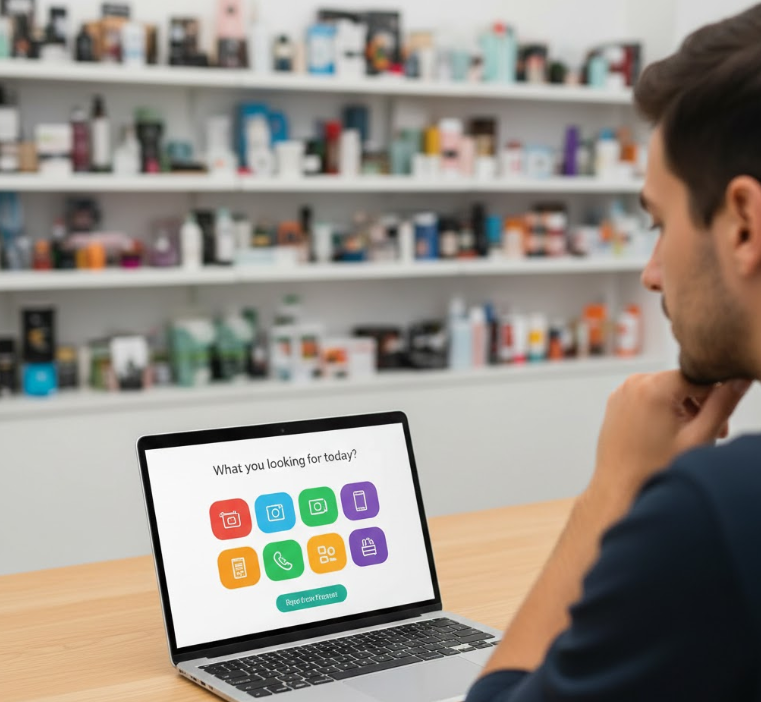
Shopping online feels like a nightmare sometimes. There are thousands of products everywhere, and finding the right one takes forever. People waste hours scrolling through pages of stuff they don’t need, reading reviews that contradict each other, and still end up buying the wrong thing.
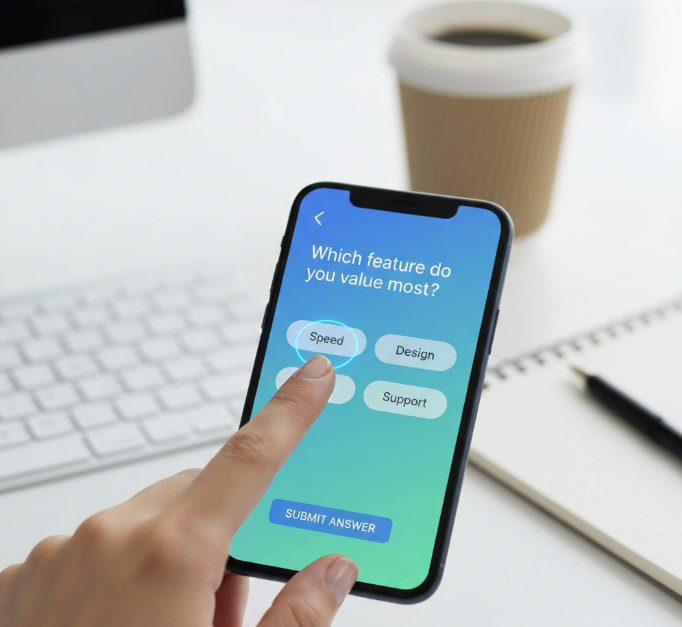
A product recommendation quiz cuts through all that mess. These quizzes ask specific questions about what someone needs, then spit out a list of products that actually make sense for their situation. No more guessing games or buyer’s remorse.
How These Quizzes Actually Work
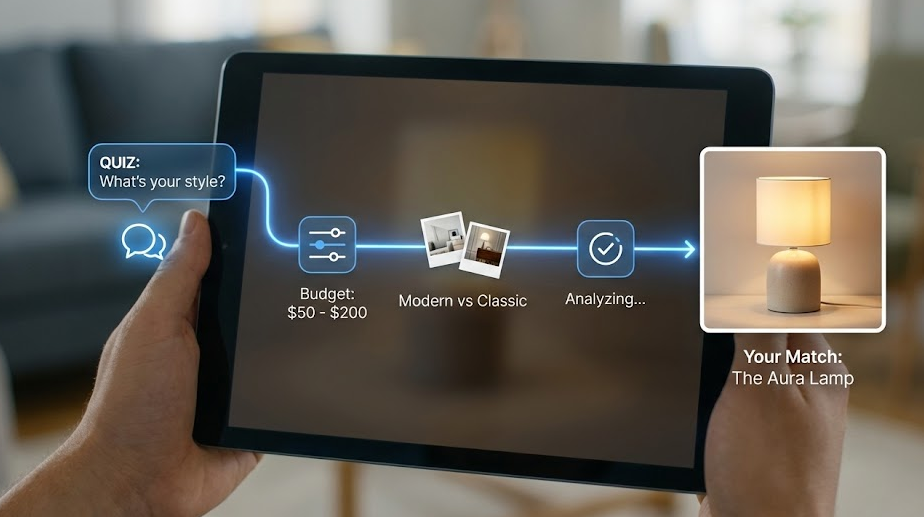
The setup is pretty straightforward. Users answer questions about their needs, budget, and preferences. The quiz software takes those answers and matches them with products in its database.
For skincare, the questions might cover skin type, main concerns, and what kind of routine someone wants. For laptops, it could be about work tasks, portability needs, and how much tech knowledge they have. Each category has its own set of relevant questions.
The tech behind it processes all those answers and ranks products based on how well they fit. Some systems get smarter over time as more people use them and provide feedback about whether the recommendations worked out.
Why This Saves Serious Time
The biggest win is cutting down research time. Instead of opening twenty browser tabs and making comparison charts, users get a short list of products that actually match what they’re looking for.
This focused approach stops the endless scrolling problem. When someone needs running shoes, they don’t want to see dress shoes, hiking boots, and casual sneakers all mixed together. The quiz filters out the irrelevant stuff right from the start.
People also avoid getting stuck in analysis paralysis. Too many choices make decisions harder, not easier. When a quiz narrows it down to three or four solid options, the choice becomes manageable.
Time spent browsing drops from hours to minutes
No need to learn technical jargon or specifications
Fewer tabs open means less confusion
Decision-making becomes faster and more confident
Money Benefits That Actually Add Up
The financial advantages go beyond just finding cheaper products. These quizzes help people avoid expensive mistakes by matching them with items that fit their actual needs rather than what they think they need.
Plenty of shoppers buy too much product for their situation. They get professional-grade equipment for weekend hobby use, or they go too cheap and end up needing upgrades quickly. Both scenarios waste money.
Quizzes also surface brands that might not show up in regular searches. While big names dominate advertising and search results, smaller companies often offer better value for specific uses. The recommendation system can find these hidden gems.
Returns cost money too — shipping fees, restocking charges, and the time spent dealing with customer service. When products match expectations from the start, returns happen less often.
Where This Technology Works Best
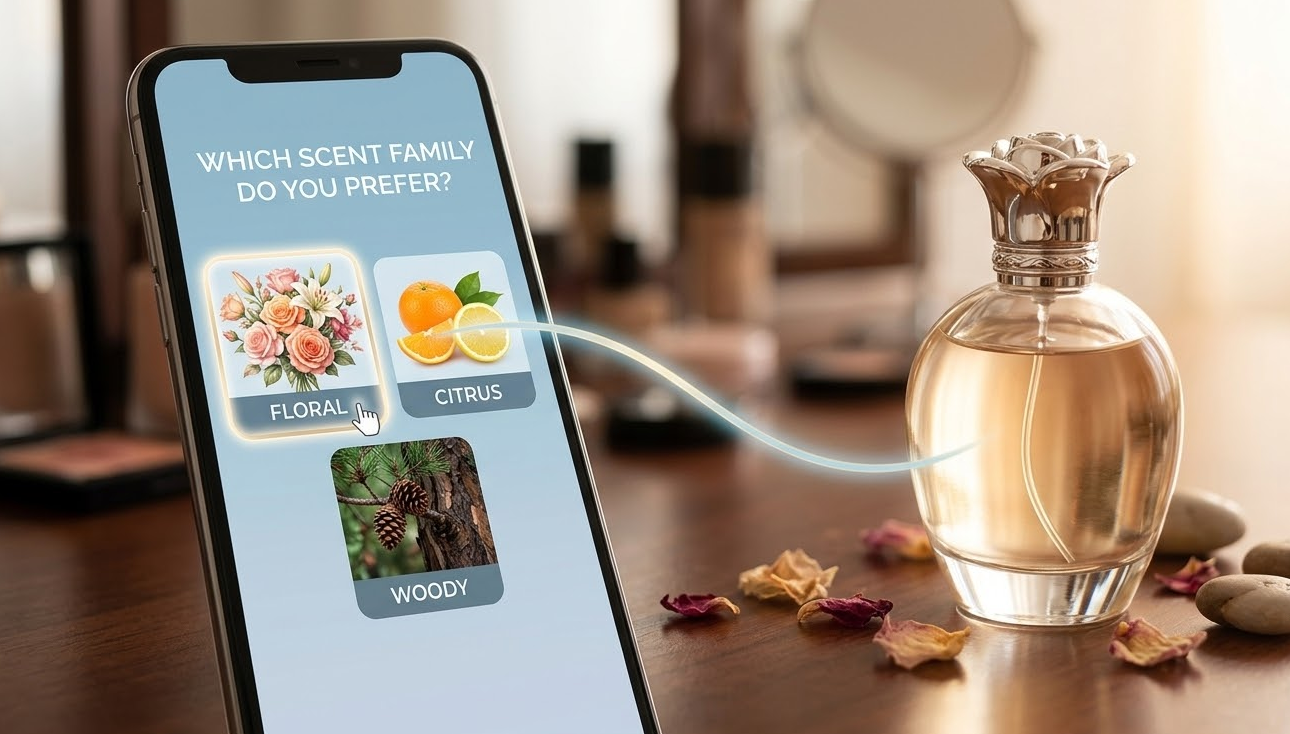
Beauty companies jumped on this trend early. With thousands of shades, formulas, and skin types to consider, a quiz makes more sense than browsing randomly through product pages.
Tech retailers use these tools for computers, phones, and gadgets. Most people don’t know the difference between processors or understand RAM requirements, but they can answer questions about what they plan to do with their device.
Home improvement stores have found success with paint selection, tool recommendations, and project planning. The quiz considers skill level, project size, and available time to suggest appropriate products and accessories.

What Makes a Quiz Worth Taking
Good quizzes ask the right number of questions — enough to get useful information but not so many that people give up halfway through. Most successful ones stick to eight to twelve questions.
The questions themselves need to focus on things that actually matter for product selection. Asking about favorite colors might be fun, but it doesn’t help choose a vacuum cleaner. The best quizzes stick to practical considerations.
Clear language matters more than people think. When quizzes use industry jargon or complicated terms, users guess at answers instead of providing accurate information. Simple questions get better responses.
Trust Builds Better Results
Users want to understand why certain products got recommended. When the system explains its reasoning, people feel more confident about the suggestions. This transparency also helps users learn what factors matter most for their needs.
The product selection behind the quiz needs variety. If recommendations always point toward expensive options or specific brands, users catch on quickly and stop trusting the results.
Real Limitations to Consider
These quizzes work well for common situations but struggle with unusual or highly specific needs. Someone with unique requirements might find the recommendations too generic or missing important considerations.
The recommendations can only be as good as the database and algorithms behind them. Poorly designed systems suggest inappropriate products or miss better alternatives that exist outside their selection.
Some quizzes have obvious bias problems. They might favor certain brands, push expensive items, or exclude budget options without good reason. Users need to stay aware of these potential issues.
Getting Better Results From Quiz Recommendations
Smart users treat quiz results as a starting point, not the final word. The suggestions help narrow down options and provide direction, but additional research on recommended products still makes sense.
Trying quizzes from different websites can reveal options that might otherwise get missed. Each platform has its own product database and matching system, so the results often vary.
Honest answers produce better recommendations. When people answer based on what they actually need instead of what they think sounds impressive, the suggestions work out better.
Compare results from multiple quiz platforms
Read product reviews from verified buyers
Check return policies before purchasing
Consider total cost including accessories and maintenance
The Future of Product Recommendations
This technology keeps getting more sophisticated. Some platforms now use photo recognition to provide more precise matches. Voice-activated quizzes are showing up as smart speakers become more common.
Integration with browsing history and purchase data is making recommendations more personalized. Some systems combine information from social media, previous purchases, and quiz responses to create detailed user profiles.
For shoppers willing to spend a few minutes answering questions, a product recommendation quiz offers real value. It cuts through the overwhelming number of choices in online retail and points toward products that actually match specific needs and budgets.
While not perfect, these tools make purchasing decisions easier and more successful in a marketplace that often feels designed to confuse rather than help.



Write a comment ...