
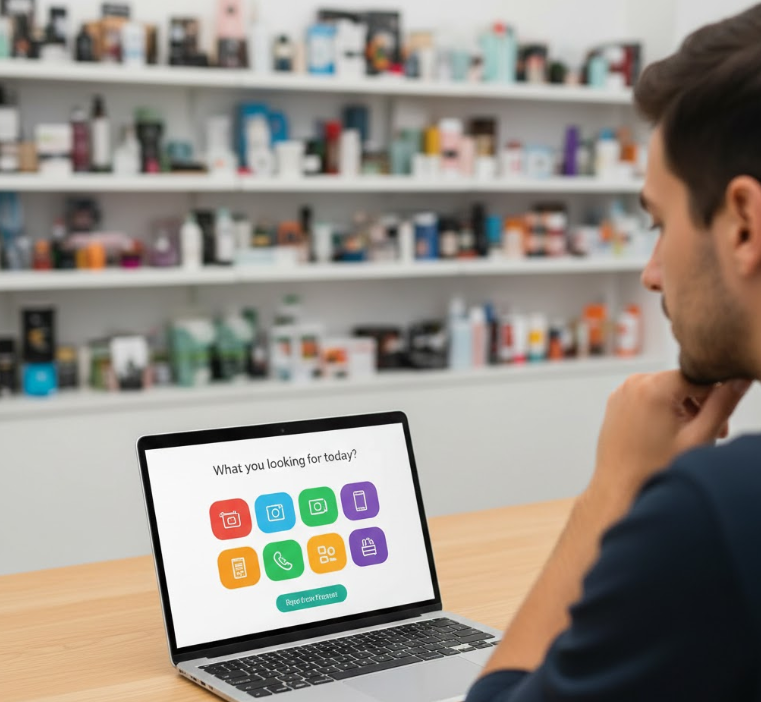
Online stores face a persistent problem. Customers arrive with vague needs and leave without buying because they can’t figure out which product suits them.
A skincare brand might stock fifty different serums, but shoppers don’t know if they need vitamin C or hyaluronic acid. A furniture store offers dozens of desk chairs, yet customers struggle to identify which ergonomic features matter for their situation.
Product recommendation quizzes solve this by guiding customers through personalized selection processes. Instead of browsing endlessly or abandoning carts, shoppers answer a few questions and receive curated suggestions matched to their specific needs.
Why Traditional Product Pages Fail
Most e-commerce sites organize products by category or filter options. This works when customers know exactly what they want. It fails when they need guidance.
Someone shopping for running shoes faces decisions about arch support, cushioning level, terrain type, and running style. Without expertise, they can’t evaluate these factors. They either guess - leading to returns - or leave to research elsewhere, often never returning.
Choice overload paralyzes decision-making. Research shows that too many options reduce conversion rates. When faced with thirty similar products, customers defer purchasing rather than risk choosing wrong. Paradoxically, stores with larger catalogs sometimes convert worse than those with limited selections.
Quiz builder Shopify tools address both problems. They reduce cognitive load by asking simple questions instead of requiring product knowledge. They narrow options to a manageable few based on customer responses. This transforms overwhelming catalogs into personalized shopping experiences.
How Product Recommendation Quizzes Work
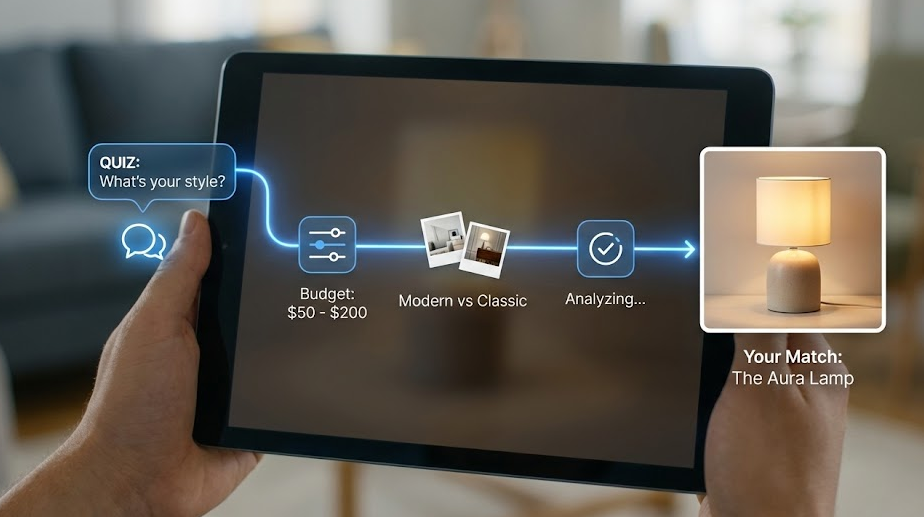
The mechanics are straightforward. Customers click to start a quiz, typically from the homepage or a dedicated landing page. They answer five to ten questions about their needs, preferences, or problems. The quiz analyzes responses and displays products that match their answers.
Behind the scenes, store owners map quiz responses to product attributes. Someone selecting “dry skin” and “anti-aging concerns” gets routed to products tagged with those characteristics. The matching logic can be simple or complex depending on the quiz builder’s capabilities and how the store owner sets up the logic.
Effective quizzes feel conversational rather than interrogative. Instead of “What is your skin type?” a better question might be “How does your skin usually feel by midday?” The second version requires no technical knowledge - just observation about their own experience.
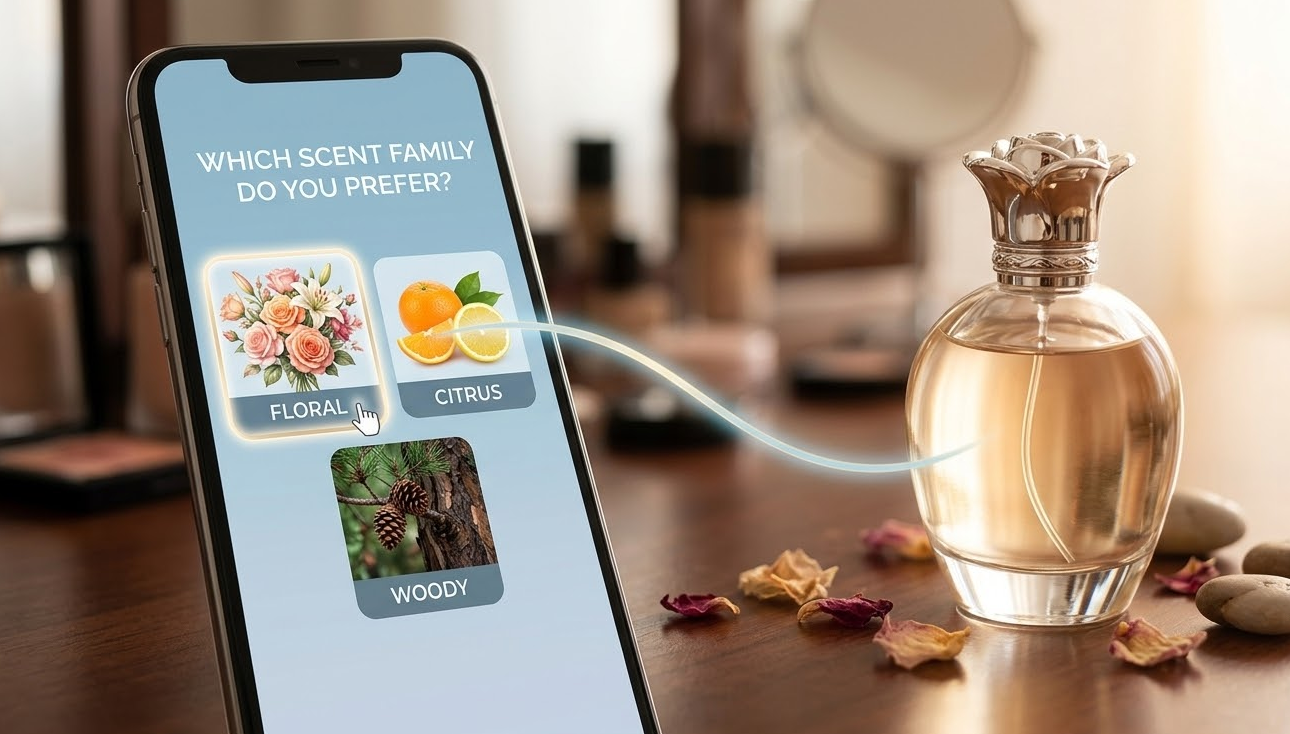
Visual elements improve engagement. Questions accompanied by images help customers understand options, especially for style-based selections. A furniture quiz might show different room aesthetics, letting customers pick visually rather than describing their taste in words.
Strategic Benefits Beyond Conversion
Product recommendation quizzes do more than guide purchases. They collect zero-party data - information customers voluntarily provide. This data has become increasingly valuable as third-party cookies disappear and privacy regulations tighten.
Each quiz completion generates a customer profile showing their preferences, needs, and pain points. This information enables personalized email marketing.
Someone who took a quiz for sensitive skin products can receive content about gentle ingredients and soothing routines. This relevance increases email open rates and click-through compared to generic newsletters.
Quiz results also inform product development. If hundreds of quiz-takers select “vegan” and “cruelty-free” but the store only has two products matching those criteria, that signals unmet demand. Inventory decisions become data-driven rather than guesswork.
Customer service inquiries often decrease after implementing quizzes. When customers receive personalized recommendations, they have more confidence in their purchases.
Fewer people contact support asking “which one should I buy?” Returns decrease too, since quiz-based purchases better match actual needs.
Setting Up Effective Quiz Logic
The quiz builder Shopify app market offers numerous options. Some apps provide simple branching logic where each answer leads to a specific next question. Others offer sophisticated scoring systems that weight different factors before calculating recommendations.
Basic branching works well for straightforward product selection. A supplement brand might ask about health goals, then dietary restrictions, then preferred format. Each answer narrows the pool until only relevant products remain.
Scoring systems handle more nuanced matching. A mattress quiz might assign points for firmness preference, sleeping position, body weight, and temperature sensitivity. Products receive scores based on how well they match each factor. The highest-scoring mattresses appear in results.
The number of questions matters. Too few and recommendations feel generic. Too many and completion rates drop. Most successful quizzes contain six to eight questions. They take under two minutes to complete — short enough that people finish but long enough to gather meaningful data.
Question order affects completion rates. Starting with easy, engaging questions hooks people before asking for contact information. A coffee quiz might begin “How do you take your morning coffee?” before eventually requesting an email address for results. Leading with “What’s your email?” kills engagement immediately.

Integration with Shopify Marketing Tools
Quiz data becomes more powerful when connected to other Shopify features. Email marketing platforms can segment customers based on quiz responses.
Someone identified as interested in budget-friendly options receives different promotions than someone who selected premium quality as their priority.
Retargeting campaigns improve with quiz data. Ads can showcase products people were recommended but didn’t purchase. This personalized retargeting converts better than generic product ads because it references customers’ stated needs.
Some quiz builder Shopify applications integrate with loyalty programs. Completing a quiz might earn points, encouraging participation. Quiz results can trigger automated follow-up sequences - education content about recommended products, customer reviews, or limited-time offers.
The quiz itself becomes a lead magnet. Customers provide email addresses to see their results. This builds email lists with engaged subscribers who’ve already shown interest in specific products.
These leads convert at higher rates than random newsletter signups because the relationship starts with value exchange.
Common Implementation Mistakes
Many stores create quizzes that are too product-focused. Questions like “Do you want Product A or Product B?” defeat the purpose. Customers don’t know the products - that’s why they need the quiz. Questions should focus on problems, preferences, and desired outcomes instead.
Overly complex quizzes scare people away. A ten-question quiz with multiple sub-questions and conditional logic might seem thorough, but completion rates suffer. Simpler is usually better. Three highly relevant questions beat eight marginally useful ones.
Poor result pages waste the quiz’s potential. Just showing product listings without context disappoints customers. Effective results explain why these products match their needs.
“Based on your dry skin and sensitivity concerns, these products contain gentle, hydrating ingredients without harsh fragrances” provides context that builds confidence.
Failing to capture email addresses before showing results misses the lead generation opportunity. However, asking too early in the quiz reduces completion.
The sweet spot is usually after customers have invested time answering questions but before they see results. They’re motivated to provide email because they want to see their personalized recommendations.
Mobile Optimization Requirements
Most Shopify traffic comes from mobile devices. Quiz experiences must work flawlessly on small screens. This means large tap targets, minimal typing, and fast loading times.
Multiple-choice questions work better than fill-in responses on mobile. Tapping an answer is easier than typing, especially for longer responses. Image-based selections feel particularly natural on touch screens.
Progress indicators help mobile users. Showing “Question 3 of 7” lets people know how much remains. This reduces abandonment since users can see the end approaching.
Loading speed affects mobile completion rates significantly. Quizzes that load slowly or stutter between questions frustrate users. Optimizing images and minimizing code weight keeps the experience smooth even on slower connections.
Measuring Quiz Performance
Successful quiz implementation requires tracking specific metrics. Completion rate shows what percentage of people who start the quiz finish it. Rates above 60% indicate good quiz design. Below 40% suggests the quiz is too long or questions aren’t engaging.
Conversion rate from quiz takers matters more than overall site conversion. Quiz users should convert higher than regular visitors. If they don’t, the recommendations aren’t matching well or the products themselves have issues.
Average order value often increases with quiz recommendations. When customers receive curated selections, they’re more likely to purchase multiple complementary products. Tracking AOV for quiz-based orders versus regular orders reveals this impact.
Email capture rate shows how many quiz participants provide contact information. This should exceed 70% if the quiz delivers genuine value and timing is right.

Building Long-Term Quiz Strategy
The first quiz version rarely performs optimally. Continuous testing improves results over time. A/B testing different question phrasings, order, and result page layouts reveals what resonates with the specific audience.
Seasonal quiz variations keep content fresh. A clothing retailer might adjust questions for different fashion seasons. A gift shop could create holiday-specific quizzes for occasions like Valentine’s Day or Christmas.
Multiple quizzes for different purposes often work better than one comprehensive quiz trying to serve all needs. A beauty brand might have separate quizzes for skincare, makeup, and haircare rather than one massive quiz covering everything.
The quiz builder Shopify ecosystem continues developing new features. Staying current with updates and new apps ensures stores leverage the latest capabilities for recommendation accuracy and user experience improvements.
Product recommendation quizzes represent a fundamental shift in e-commerce shopping. Rather than forcing customers to navigate complex catalogs alone, stores guide them through personalized experiences that feel helpful rather than sales-focused.
When implemented well, quizzes increase conversions while simultaneously building customer relationships and gathering valuable data for future marketing efforts.



Write a comment ...