
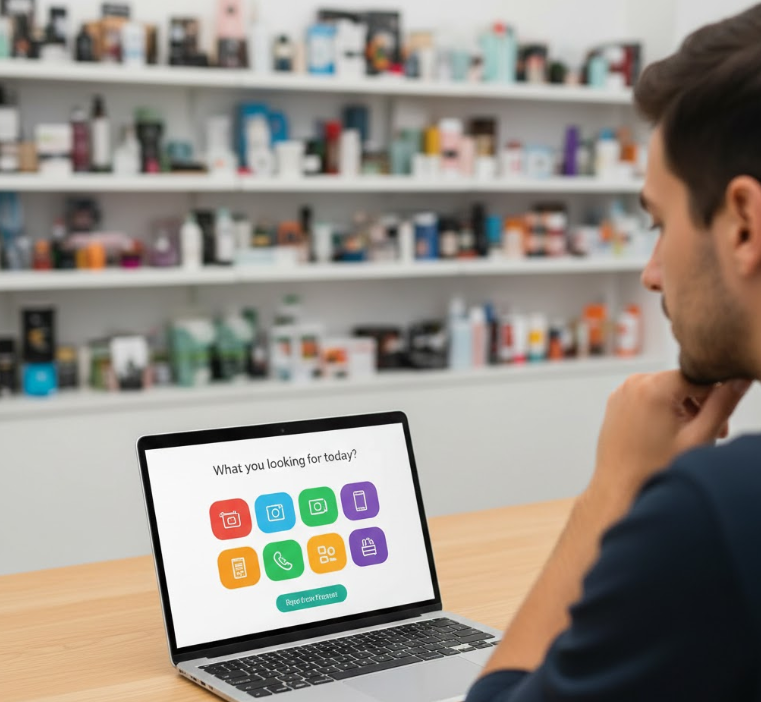
Online shopping has a problem. Customers face endless product pages, struggling to find what they actually need. Most people get overwhelmed and leave without buying anything.
Store owners watch potential sales slip away, knowing their products could solve customer problems if only people could find the right match.
This frustration led to an interesting solution: product quizzes. These interactive tools ask shoppers a few simple questions, then suggest products based on their answers.
The approach works because it mimics what happens in physical stores when a helpful employee guides customers to the right products.
How Product Quizzes Actually Work
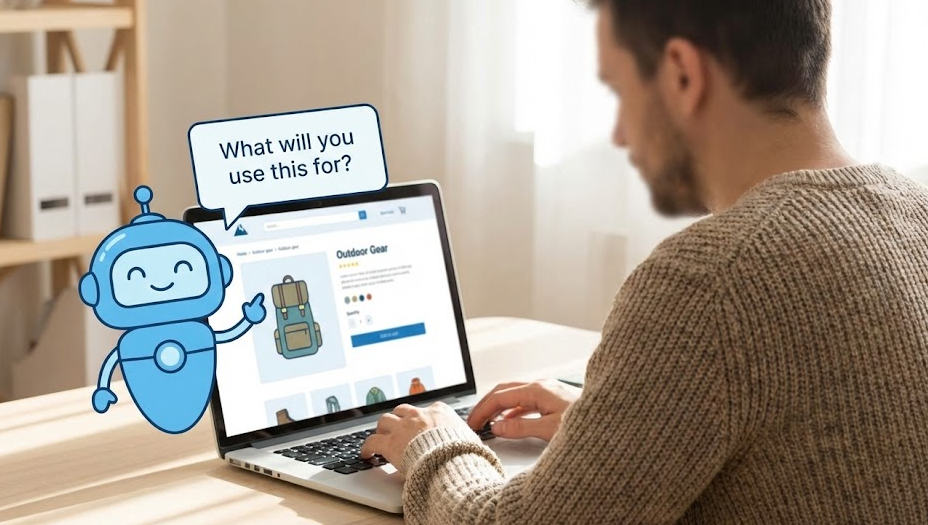
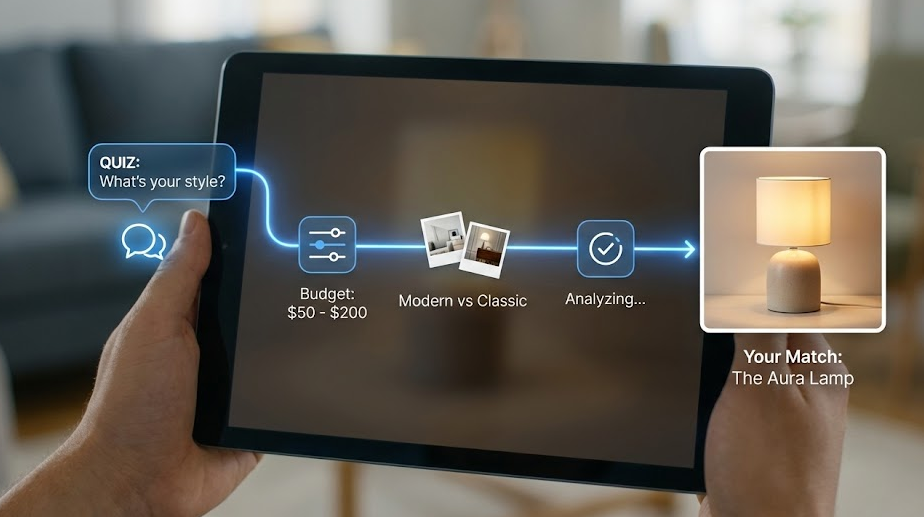
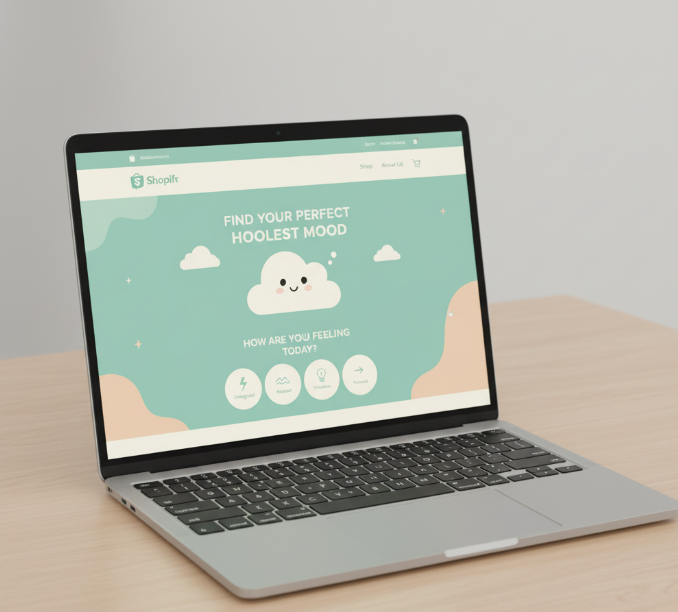
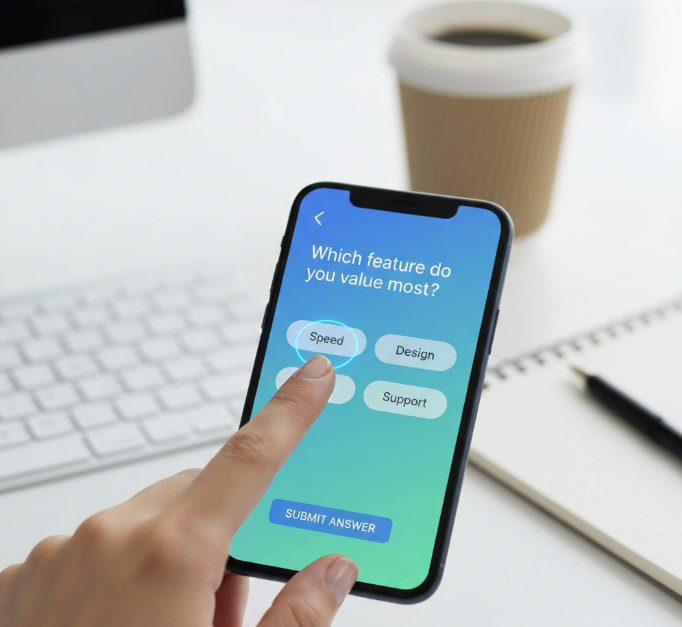
The mechanics are pretty straightforward. A customer lands on a store page and sees an invitation to take a quick quiz. They click through a series of questions about their needs, preferences, or situation. Based on their responses, the system recommends specific products from the store’s inventory.
What makes this approach powerful isn’t just the technology — it’s the psychology. People like talking about themselves and their needs. They appreciate personalized attention, even when it comes from a computer program.
This engagement keeps them on the website longer and builds trust in the recommendations they receive.
The timing matters too. Instead of forcing customers to dig through categories and filter options, quizzes present a clear path forward right from the start. This removes friction from the shopping process and helps people make decisions faster.
Which Businesses Get the Best Results
Some types of stores see bigger improvements than others when they add a Shopify product quiz to their website.
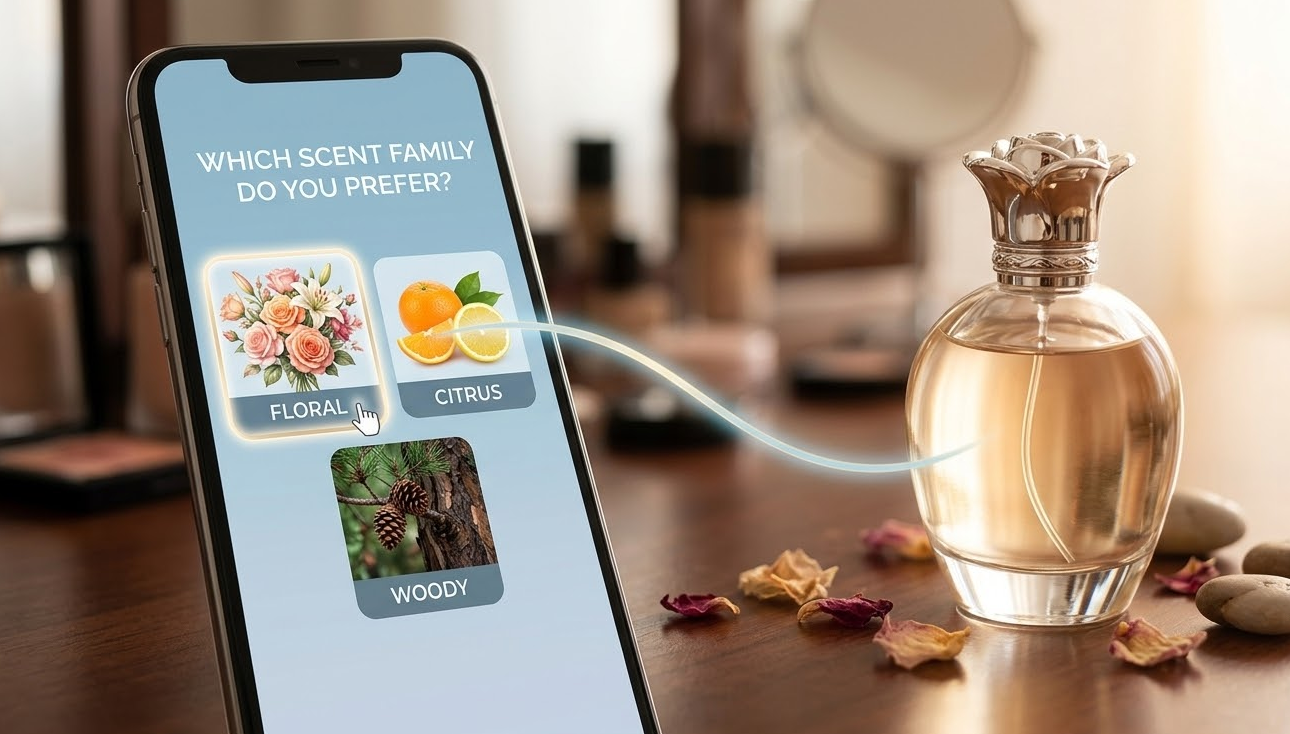
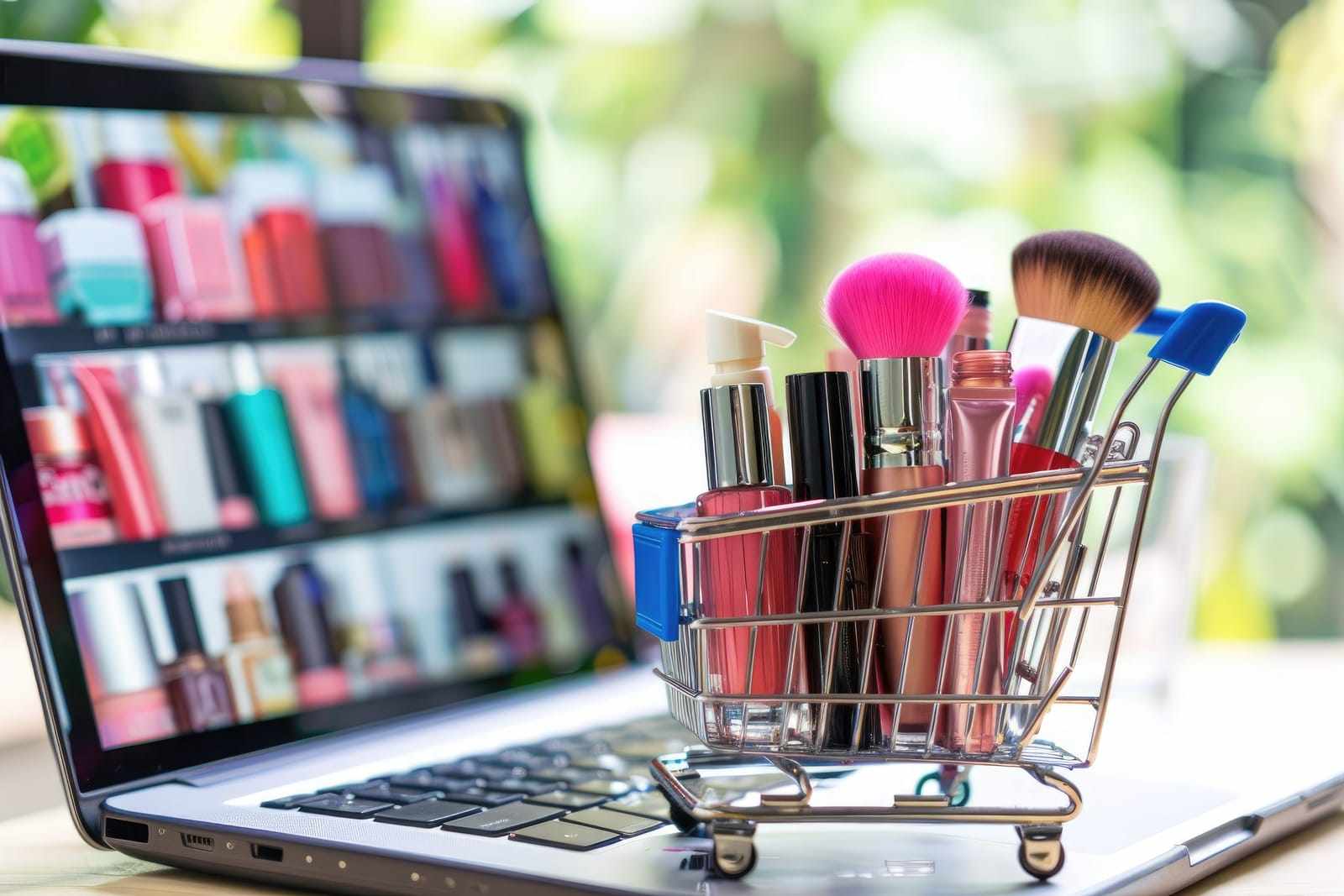
Beauty brands deal with complex product selection. Skincare routines depend on skin type, age, concerns, and goals. Makeup choices vary by skin tone, lifestyle, and personal style. A quiz can navigate these variables much better than browsing through hundreds of products randomly.
Clothing retailers face similar challenges. Body types, style preferences, occasions, and budgets all influence what someone should buy. Quizzes can consider multiple factors simultaneously and suggest items that actually work for each customer’s situation.
Health and supplement companies have perhaps the most complex product selection process. Individual health goals, dietary restrictions, existing conditions, and lifestyle factors all matter. Quizzes help customers avoid products that won’t work for them and focus on options that address their specific needs.
Home goods stores benefit because furniture and decor choices depend heavily on living space, existing style, and functional requirements. Rather than hoping customers can visualize how products will work in their homes, quizzes can guide them toward appropriate options.
The Real Business Benefits
Store owners who implement product quizzes typically see measurable improvements in several areas, though results vary depending on implementation quality and industry.
More visitors convert to customers because they receive targeted suggestions instead of browsing aimlessly. When someone sees products chosen specifically for their situation, the purchase decision becomes easier and more confident.
Order values often increase because quizzes can suggest complementary products or complete systems rather than individual items. Customers trust these bundle recommendations since they’re based on their specific answers rather than generic marketing.
Return rates frequently drop when customers receive products that actually match their needs and expectations. This saves money on return processing and keeps customers happier with their purchases.
Customer data becomes much more valuable. Every quiz response reveals preferences and needs that can inform inventory decisions, marketing campaigns, and product development. This information is more reliable than browsing behavior alone because customers actively provide it.
Common Mistakes That Kill Results
Many businesses get excited about quizzes but make basic errors that reduce their effectiveness. These problems are avoidable with proper planning.
The biggest mistake is making quizzes too long. Store owners think more questions lead to better recommendations, but customers lose interest quickly. Most successful quizzes use between five and eight questions maximum. Beyond that, completion rates drop significantly.
Another problem is pushing expensive products too aggressively. If quiz results always feature the most costly items, customers notice and feel manipulated. The best quizzes recommend products across different price points based on actual customer needs rather than profit margins.
Technical issues like slow loading times or mobile compatibility problems
Irrelevant questions that don’t clearly connect to product selection
Generic results that feel random rather than personalized
No follow-up after customers receive their recommendations
Poor question design also reduces effectiveness. Vague or confusing questions frustrate customers and produce unreliable data for recommendations. Questions should be specific, easy to understand, and clearly relevant to product selection.
Creating Quizzes That Convert
Successful quizzes share certain characteristics that make them engaging and effective for driving sales.
The questions need to feel relevant and purposeful. Customers should understand why each question matters for finding the right products. Irrelevant questions break trust and reduce completion rates.
Language should be conversational but professional. Think about how a knowledgeable store employee would ask these questions in person. Avoid technical jargon or overly formal phrasing that creates distance between the brand and customer.
Visual design matters more than many people realize. Clean layouts, appropriate images, and intuitive navigation keep customers engaged throughout the quiz experience. However, fancy graphics shouldn’t slow down loading times or confuse the user interface.
Results pages need to provide genuine value beyond just product listings. Explaining why certain products were recommended and how they address specific customer needs builds credibility and increases purchase confidence.
Measuring What Matters
Tracking the right metrics helps optimize quiz performance and prove return on investment. Simple analytics reveal which aspects work well and which need improvement.
Completion rates show how engaging the quiz is overall. If many people start but don’t finish, the questions might be too difficult, numerous, or irrelevant. High completion rates indicate that customers find value in the process.
Conversion rates from quiz participants versus regular website visitors reveal the tool’s effectiveness at driving sales. This comparison helps justify the investment and identify opportunities for improvement.
Customer feedback provides insights that numbers alone can’t capture. Comments and reviews from people who used the quiz help refine the experience and fix problems that metrics might not reveal.
Advanced Strategies
Once basic quizzes are working well, store owners can implement more sophisticated approaches to maximize results.
Segmented follow-up campaigns can nurture customers who don’t purchase immediately after taking the quiz. Email sequences tailored to their quiz responses often convert better than generic promotional messages.
A/B testing different question types, result presentations, and call-to-action buttons reveals what works best for specific audiences. Small changes in wording or design can significantly impact conversion rates.
Integration with customer service systems allows support teams to reference quiz responses when helping customers. This creates more personalized service and can rescue potentially lost sales.
Getting Started
Implementing a Shopify product quiz doesn’t require extensive technical knowledge or large budgets. Several apps and tools make the process accessible to most store owners, regardless of their technical background.
Start with a simple quiz focused on your most important product differentiators. Monitor performance metrics closely and gather customer feedback to understand what’s working and what needs adjustment.
The key is focusing on customer needs rather than just pushing products. When quizzes genuinely help people find solutions to their problems, both customer satisfaction and business results improve naturally.
The best implementations feel helpful rather than salesy, building trust that leads to long-term customer relationships.

Write a comment ...